What Is Neurodiversity?
by Caroline Miller
Reflection/ Argument.
This article was very interesting; I found myself reading it several times and even read it to my mom. In my country, the word ADHD is uncommon; I didn't even know it existed until I came to the United States. My mother and I had a round of discussions and debates on this topic, and we concluded that sociologist Judy Singer was absolutely right when she stated that we need to stop viewing neurological conditions as illnesses that need "fixing" and start seeing them as legitimate human differences that deserve respect and inclusion.
Often in our society, we talk about diversity in terms of culture, race, or gender, but we rarely think about the diversity of the brain, that fundamental part of our frontal head. The article "What Is Neurodiversity?" presents and clarifies an idea that I find powerful: not all brains function the same way, and that doesn't mean there's anything "wrong" with some of them. In fact, psychologist Stephanie Lee explains very clearly that instead of trying to fix someone, we should help them use their natural abilities to achieve their goals. This means we shouldn't just focus on the "deficit" but on that person's abilities, because that's how we give them dignity and autonomy.
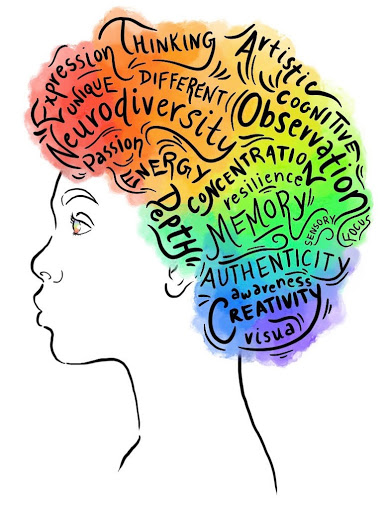
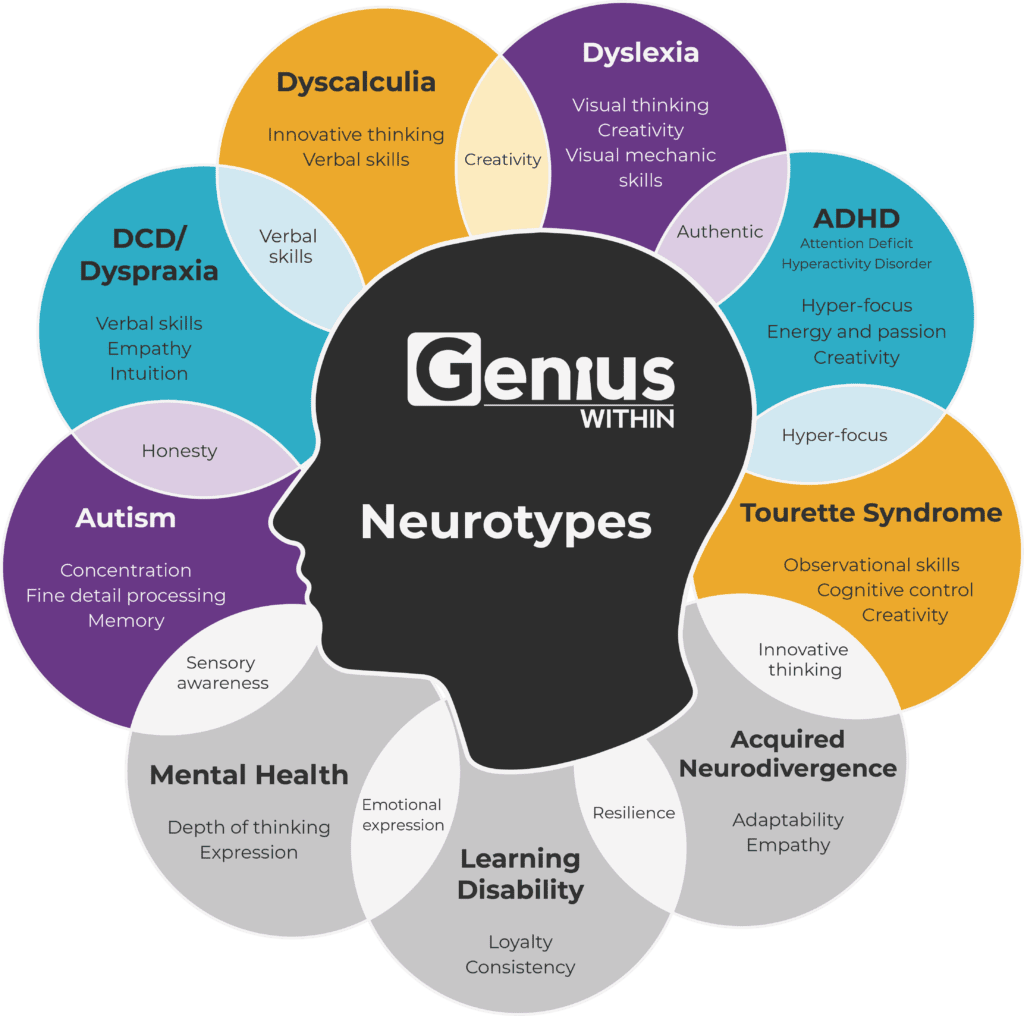
Another point that I found very important was that neurodiversity has become an identity for many young people. This means that if they identify as neurodivergent, they can be helped to better understand themselves and feel included (not excluded). While it's clear that professional evaluations by experts are important to provide appropriate support, and I believe this is crucial since, as I mentioned before, I myself didn't know what ADHD was, perhaps as a teacher I wouldn't have been able to understand certain attitudes without knowing the term. However, I should clarify that I've been thinking a lot about dyslexia for the past few months. This is because, although I love to write and read, there are some words I mix up while writing, and it's not just once or twice; sometimes it's a whole sentence. I don't think it's very "advanced" dyslexia, but I know it's there, and perhaps I wouldn't have known about it until I moved here and learned about all these medical terms related to the brain. So, this text made me think a lot about how, whether I have dyslexia or not, it doesn't stop the potential I know I have. That's why Judy Singer clarifies that neurodiverse people can demonstrate great creativity, concentration, or unique ways of solving problems.
Finally, this text encourages us to understand the difference between “disorders” and “differences.” Recognizing a diagnosis is important, as it is fundamental to offering help, but it is necessary to understand that neurodiversity teaches us that there is no single correct type of mind, but rather many ways of being and learning. Each person has unique value, and therefore, as future teachers, it is important to build a more just society so that everyone can feel understood and heard.
Question to Share:
What methods can schools create for a more inclusive environment where all neurodiverse individuals feel valued and supported?


No hay comentarios.:
Publicar un comentario